









This research project will be led by myself, Dr. Tsung-Liang Tseng, as the principal investigator. The trainees will participate in and carry out research tasks under my National Science and Technology Council (NSTC) research project. The project aims to develop preparation and analytical techniques for quantum dots and metal-organic frameworks (MOFs), with the goal of establishing a new functional materials platform with high stability, high sensitivity, and controllability.
The core objective of this research is to design and fabricate quantum dot/MOF composite materials with tunable energy band structures and interfacial interaction properties, and to investigate their potential applications in photoelectric conversion, photocatalytic reactions, and gas or molecular sensing. Previous studies have shown that quantum dots possess excellent optical and electronic properties, while MOFs exhibit high specific surface area and designable porous structures. The integration of these two materials is expected to combine optical activity with chemical selectivity. However, their interfacial bonding mechanisms, electron transport efficiency, and structural stability still require further investigation.
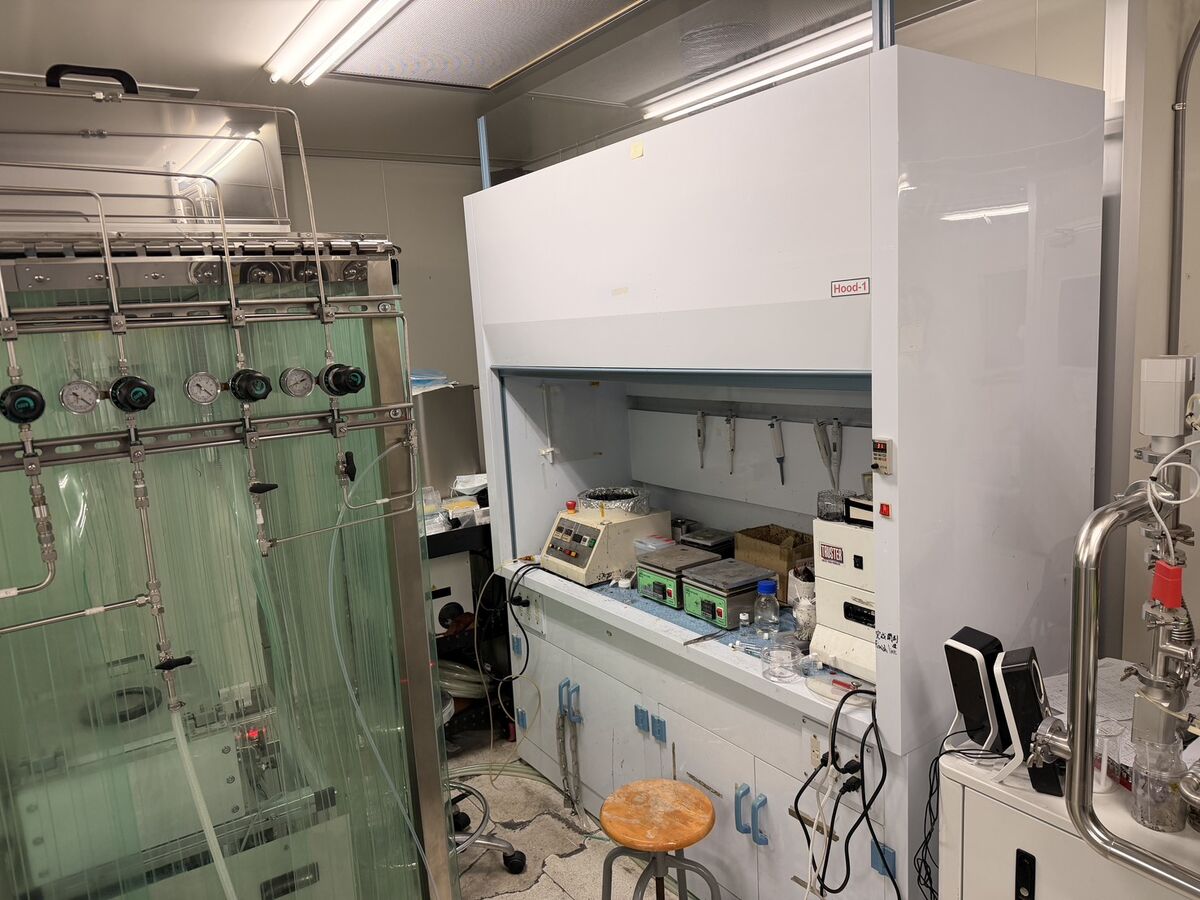
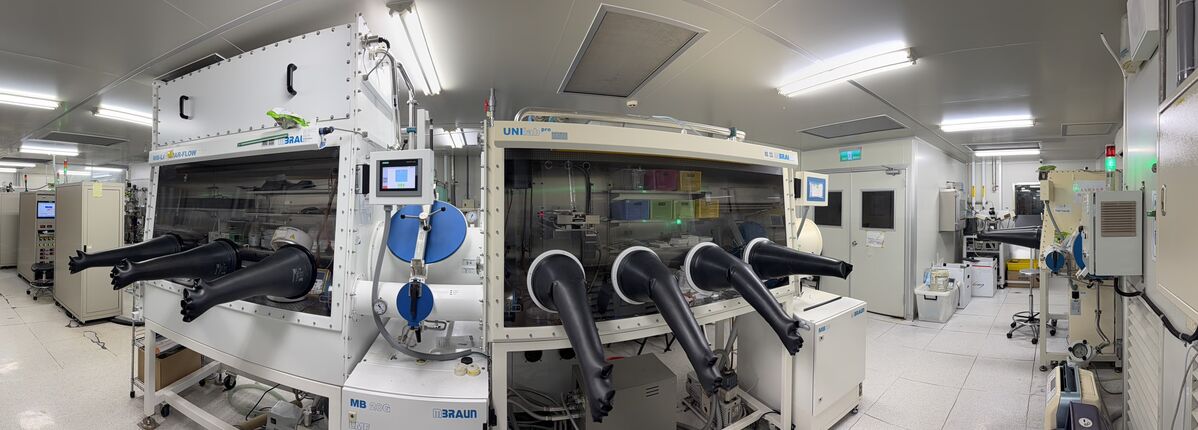
Therefore, this project will employ various synthesis and analytical techniques, including the sol-gel method, hydrothermal/solvothermal synthesis, surface modification, and solution self-assembly techniques, to precisely control the composition ratio and structural characteristics of quantum dots and MOFs. In addition, ultraviolet-visible absorption spectroscopy (UV-Vis), photoluminescence spectroscopy (PL), Fourier-transform infrared spectroscopy (FTIR), X-ray diffraction (XRD), field-emission scanning electron microscopy (FESEM), and transmission electron microscopy (TEM) will be used to analyze their optical properties, crystal structures, and surface morphologies.
This research is expected to establish a preparation and characterization technology platform for quantum dot/MOF composite materials, clarify their photoelectric conversion and energy band regulation mechanisms, and further develop high-efficiency and highly stable optoelectronic devices or sensing materials. The outcomes of this project are expected to promote the application and development of nanomaterials in the fields of energy and environmental technology.
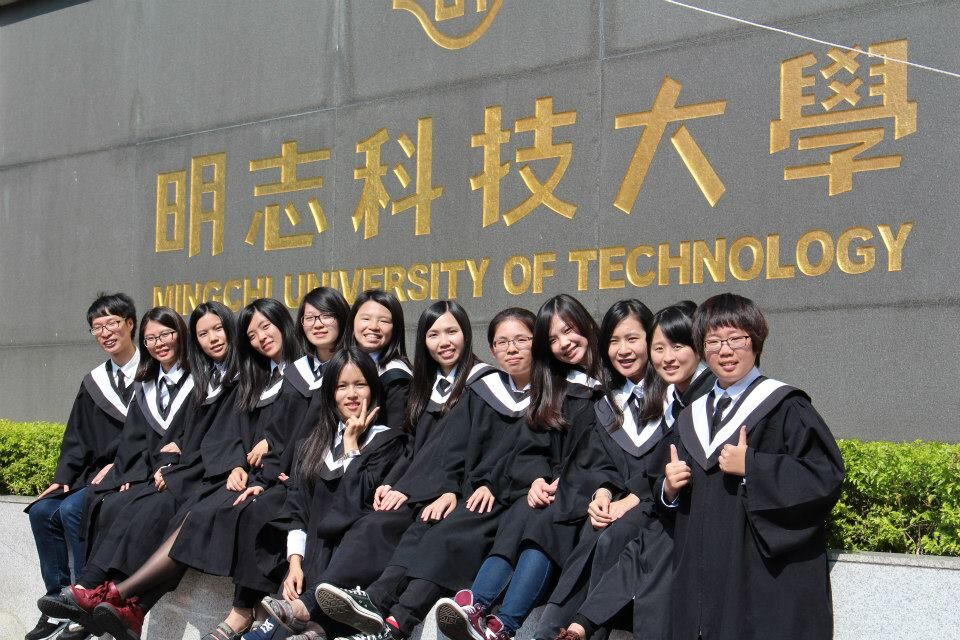
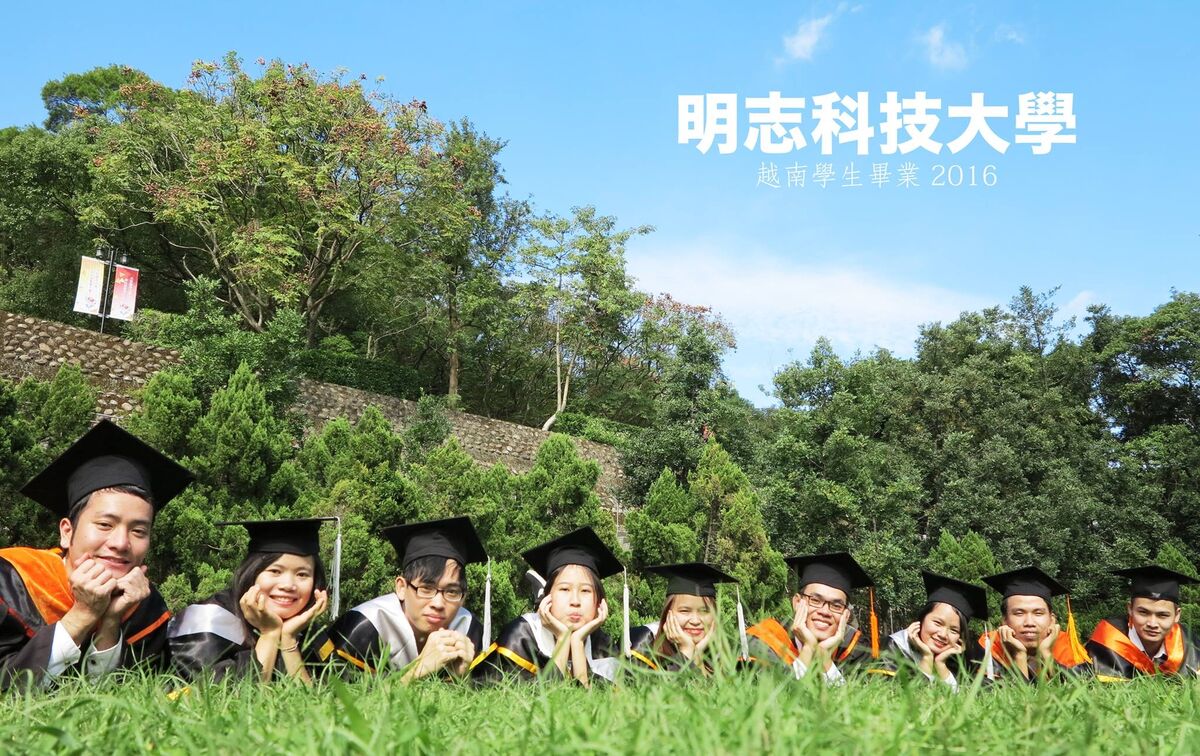
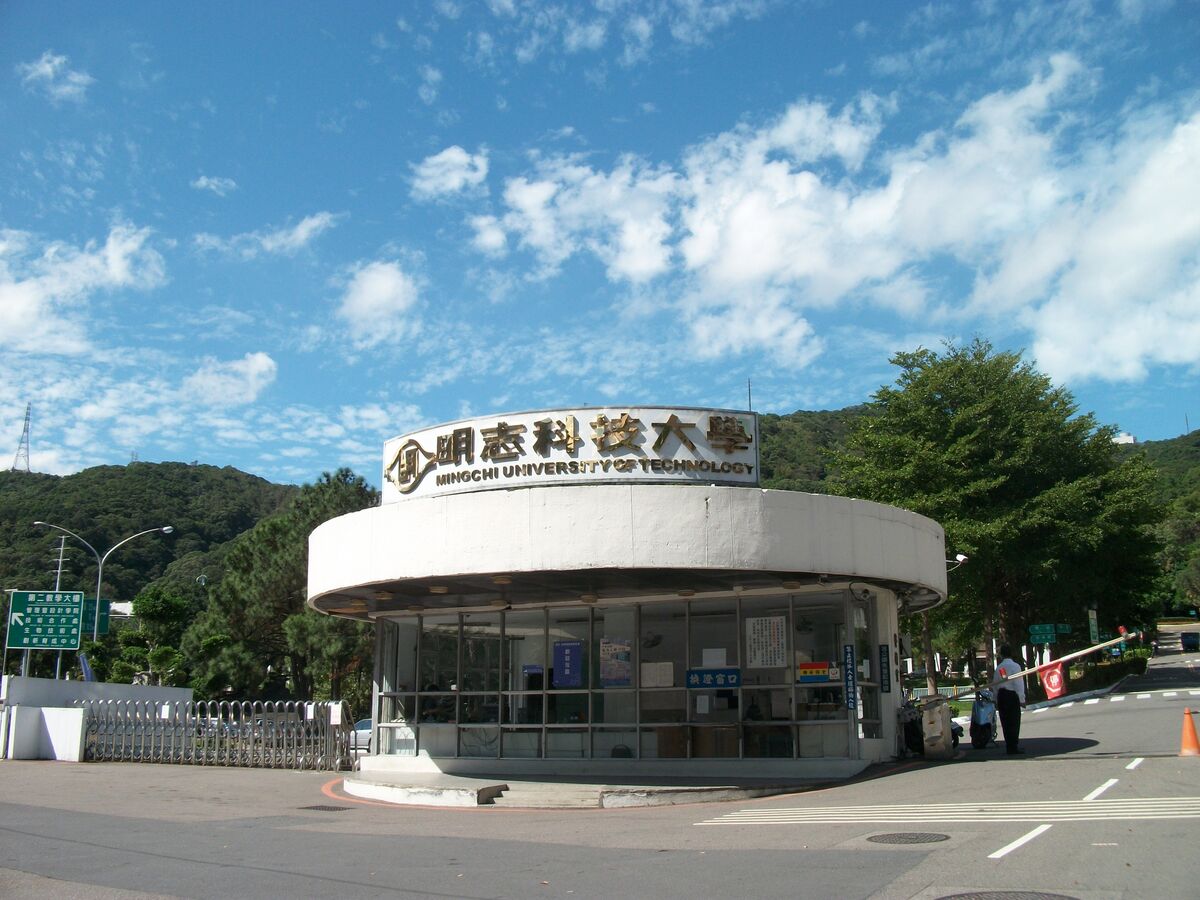
We plan to recruit five international trainees, mainly university graduates or master’s students, to come to Ming Chi University of Technology and participate in this project. During their research stay in Taiwan, the trainees will have the opportunity to experience Taiwanese culture and learn about the advanced strength of Taiwan’s semiconductor industry. It is expected that, in the near future after completing the program, they may return to Taiwan for further study or employment.
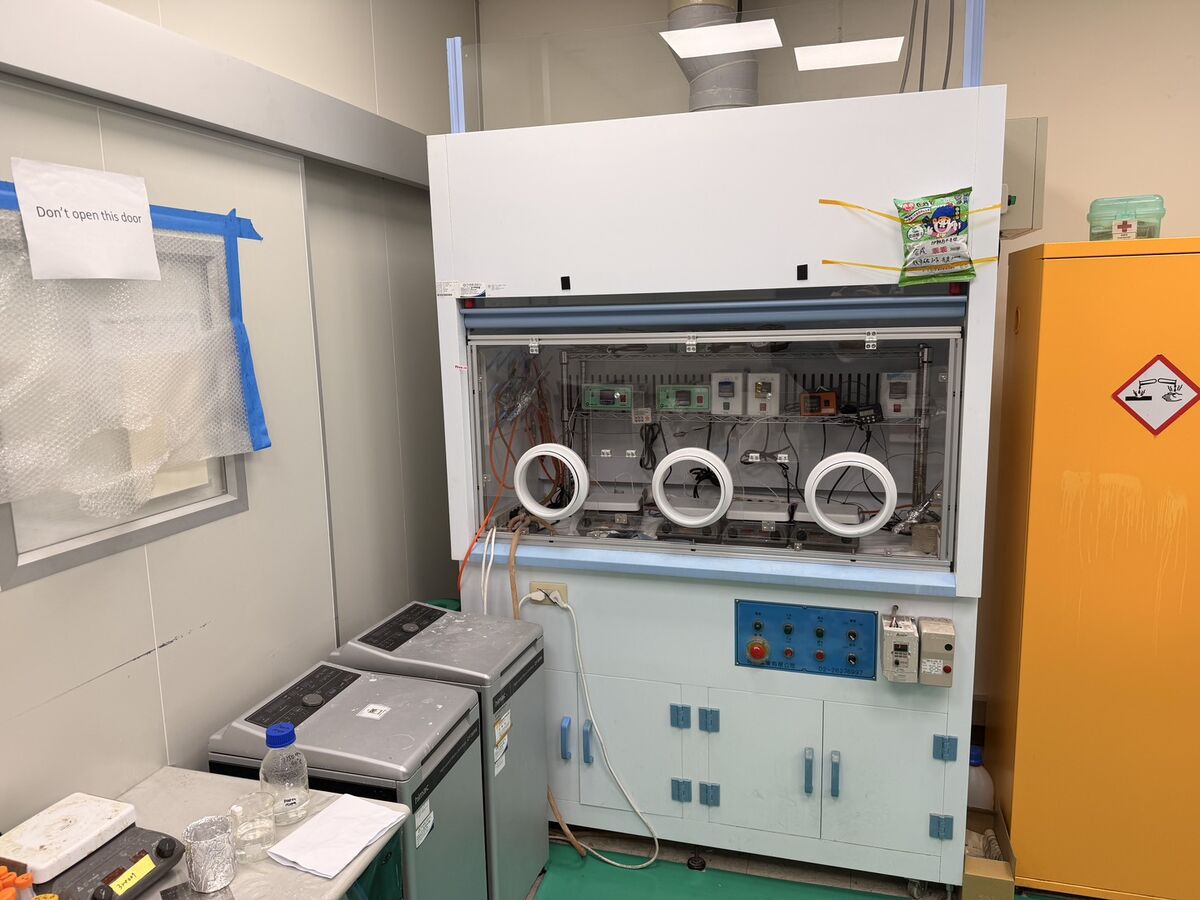
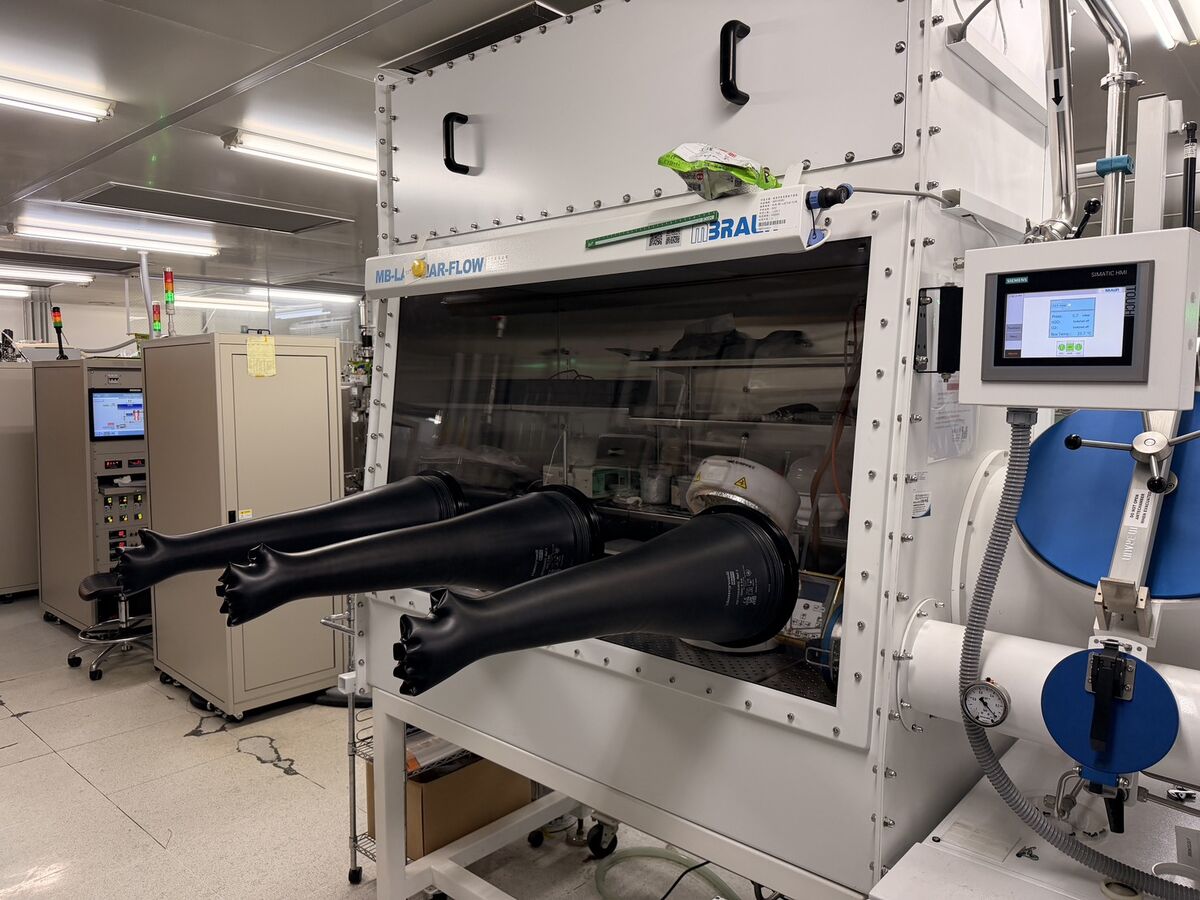
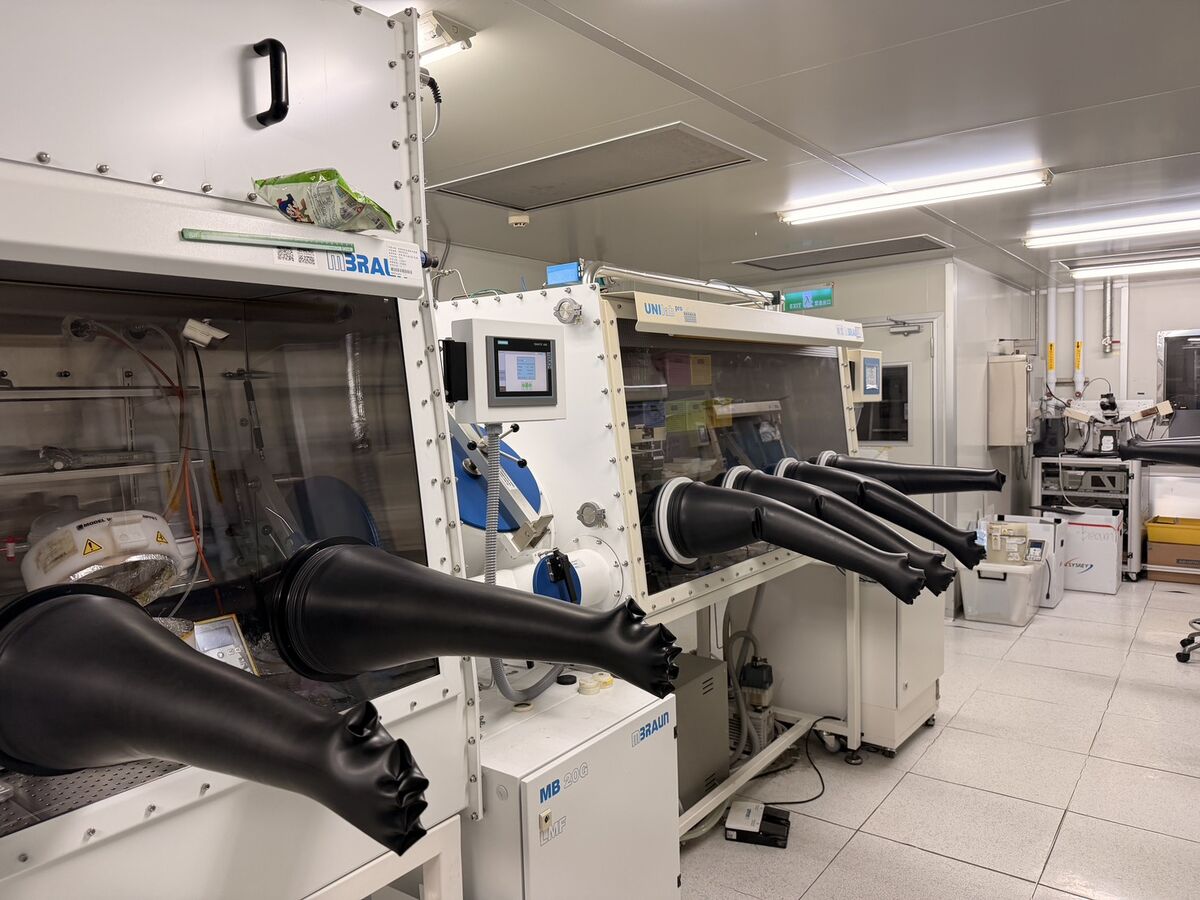
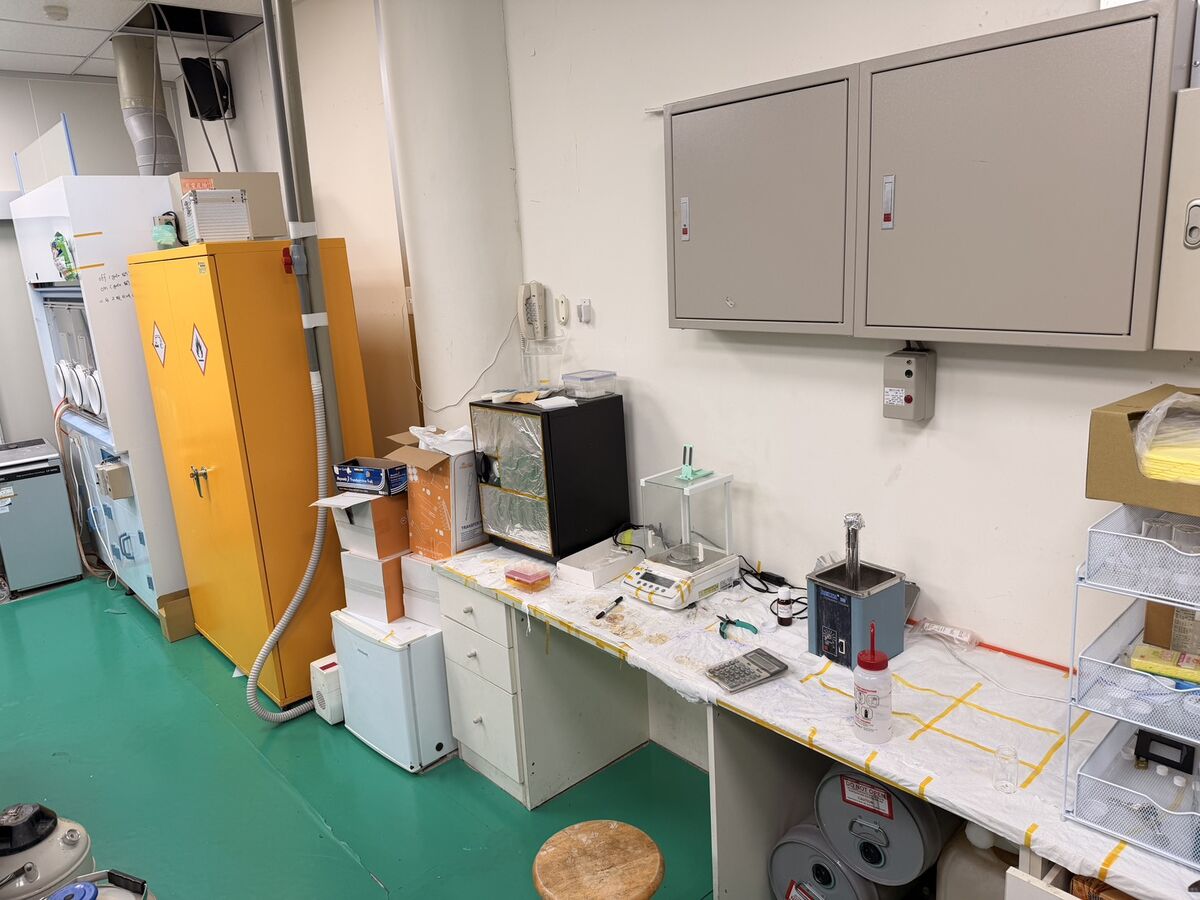
Each trainee is expected to stay in Taiwan for six months, with the exact starting and ending dates to be determined. During the research stay, our team members will train the trainees to understand the preparation techniques of quantum dots and MOF materials, as well as optical and structural analysis methods. Afterward, the trainees will be allowed to use the relevant equipment and participate in the implementation of this research project.
We plan to provide each trainee with a scholarship of NT$20,000 per month. The trainees are expected to come from different countries, such as Thailand, India, Indonesia, Vietnam, and the Philippines, and may include current students or graduates.
![]()
- Field: Engineering
- School: Ming Chi University of Technology
- Organizer: Department of Electronic Engineering
- Period of Apply: 2026/05/15-2026/12/31
- Term: 2026/05/15-2026/12/31
- Fee: Free charge
- Website of Program: electronics.mcut.edu.tw/p/405-1064-65429,c10544.php?Lang=en
- Contact Person:Zong-Liang Tseng
- Email:tw78787788@gmail.com
- Phone:0987272087