








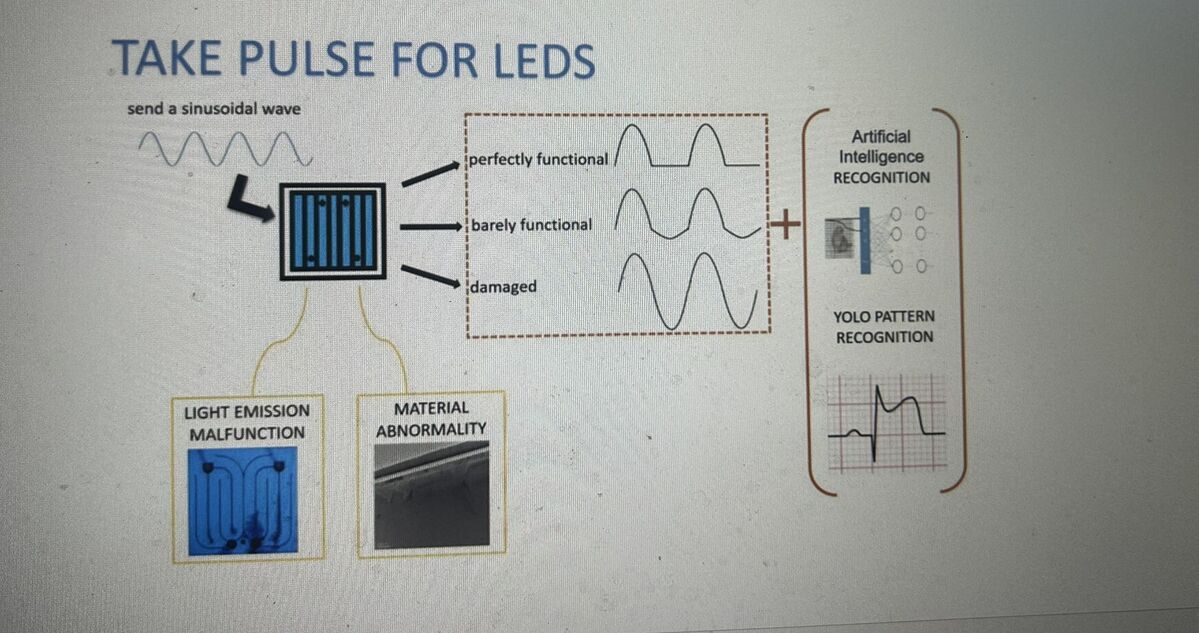
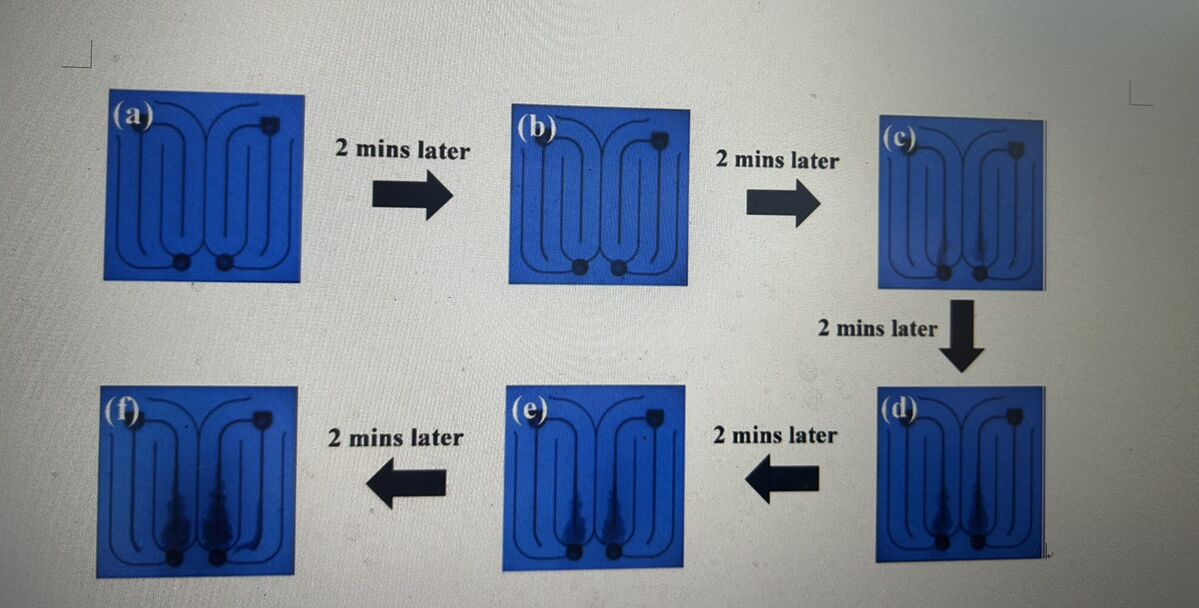
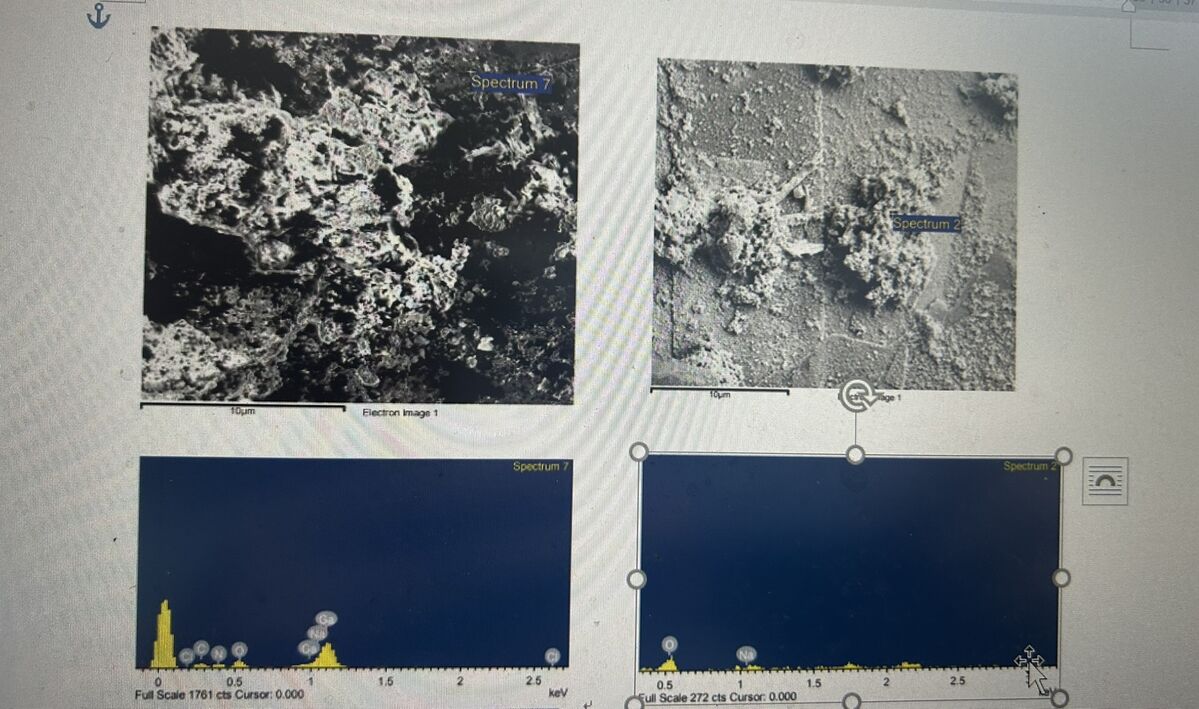
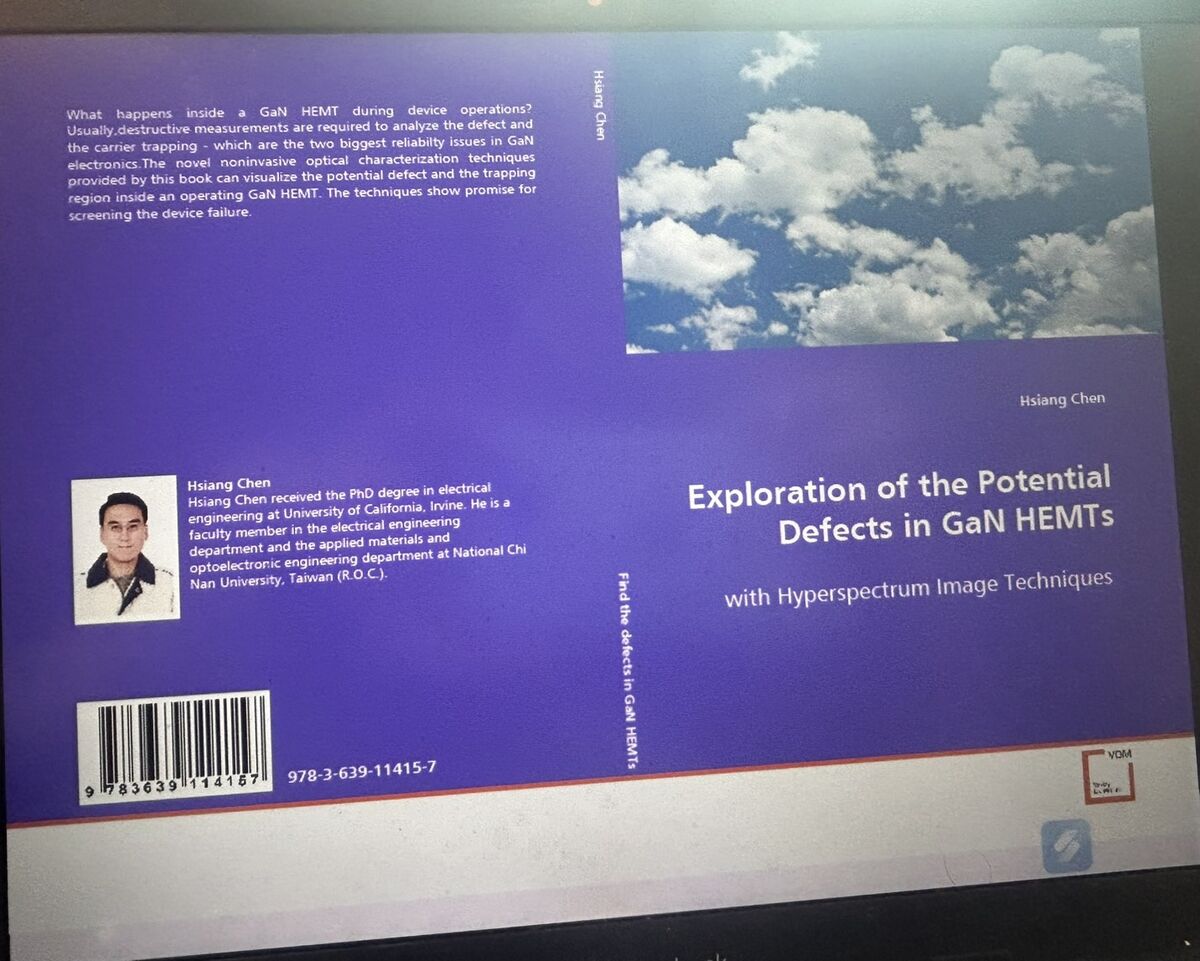
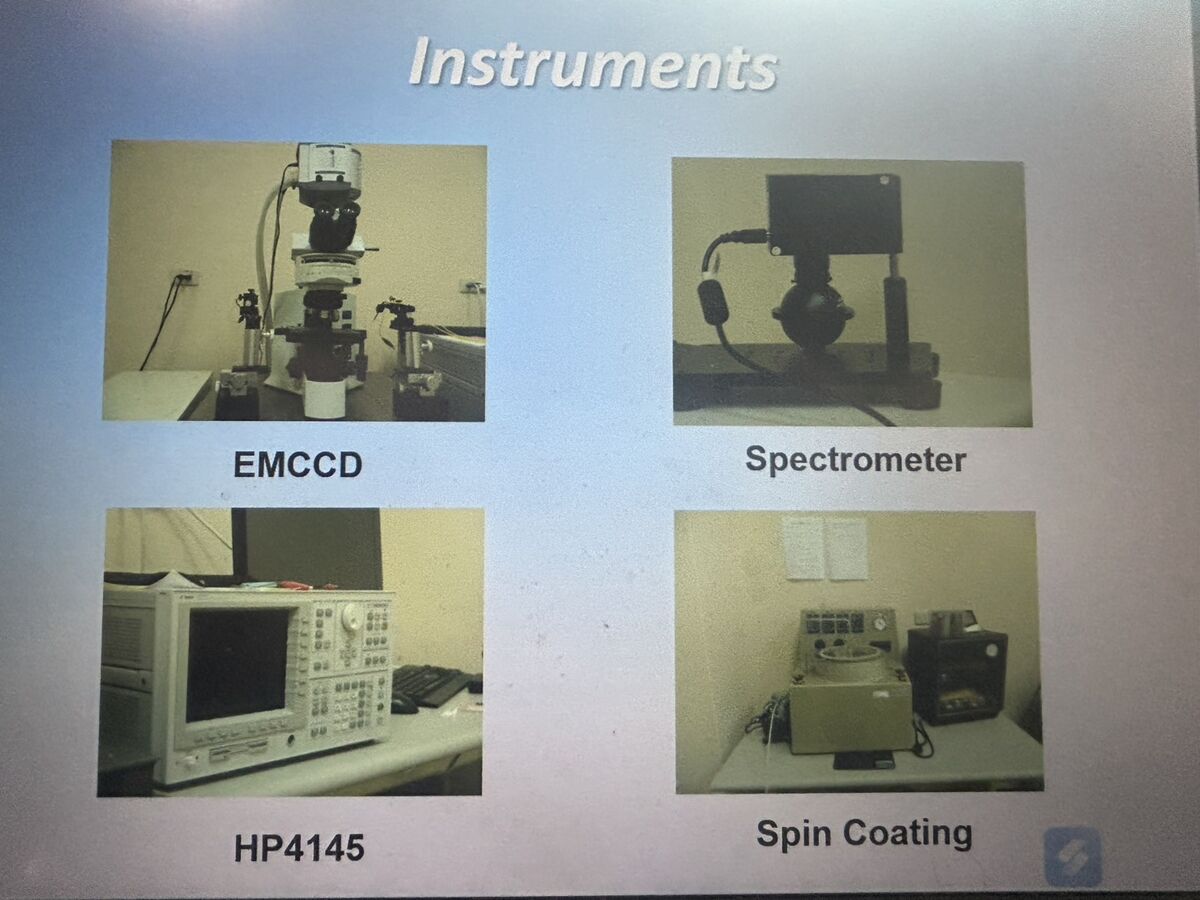
Light-emitting diodes (LEDs) are widely used due to their high efficiency, long lifetime, compact size, and environmental benefits. However, under extreme conditions such as high temperature, thermal cycling, plasma exposure, and radiation, their performance and reliability degrade significantly. These stresses induce microscopic defects in GaN-based structures, affecting carrier recombination in quantum wells and reducing luminous efficiency. Conventional detection methods, including optical, electrical, and material analyses, are often destructive, time-consuming, or insufficient for early-stage damage evaluation. This study proposes a novel, non-destructive approach combining rotational-wave electrical pulse testing with deep learning. Healthy LEDs show half-wave responses, while damaged ones exhibit full-wave behavior. Using YOLO and CNN models, dynamic waveform data are accurately classified. Thermal cycling and material analyses further validate degradation mechanisms, providing a reliable foundation for advanced LED diagnostics and improved durability in harsh environments.
![]()
- Field: Engineering
- School: National Chi Nan University
- Organizer: Applied Materials and Optoelectronic Engineering
- Period of Apply: 2026/07/01-2026/12/31
- Term: 2026/07/01-2026/12/31
- Fee: Accommodation fee: NT$20,000 (for six months)
Transportation fee: NT$5,000 (for commuting to and from the laboratory or partner company) - Website of Program: sites.google.com/view/ndoclab-ncnu/home?authuser=0

- Contact Person:Hsiang Chen
- Email:hchen@ncnu.edu.tw,chennew.boy@gmail.com
- Phone:0492910960 ext 4909