









This project explores bio-inspired nanovesicles—exosome-like structures naturally secreted by plants and fungi—as innovative agents for oral cancer therapy and drug delivery. Students will learn how to isolate, characterize, and test these nanoscale vesicles using advanced techniques such as ultracentrifugation, nanoparticle tracking, and confocal microscopy. By investigating their molecular composition and biological effects on oral cancer cells, participants will gain experience at the intersection of cancer biology, nanomedicine, and natural product research. The program emphasizes hands-on laboratory training, mechanistic analysis, and scientific communication skills through data presentation and literature discussions. This internship provides a unique opportunity to explore sustainable, nature-inspired approaches to cancer treatment while engaging in an interdisciplinary research environment in Taiwan.
Research Objectives
1. Isolation and Characterization of Natural Exosomes
To extract and characterize nanovesicles from selected plant and fungal sources using ultracentrifugation and membrane-based isolation. Students will learn nanoparticle tracking analysis (NTA), transmission electron microscopy (TEM), and dynamic light scattering (DLS) for size and morphology determination.
2. Molecular Profiling and Bioactivity Evaluation
To analyze the molecular composition (protein, lipid, and miRNA profiles) of isolated vesicles and assess their anti-oral cancer activity in vitro using oral cancer cell lines. Key assays will include MTT cytotoxicity, apoptotic marker analysis (p53, caspase-3/9), and migration/invasion studies.
3. Drug Loading and Delivery Potential
To evaluate the feasibility of using plant and fungal exosomes as drug delivery platforms by loading standard chemotherapeutics or natural compounds (e.g., curcumin, doxorubicin). Delivery efficiency, uptake visualization (confocal microscopy), and cell viability recovery will be studied.
4. Mechanistic Insights
To explore how these vesicles influence cancer-related pathways such as apoptosis, oxidative stress regulation, and immune modulation. Students will be encouraged to perform literature-based bioinformatics analysis and pathway mapping to identify target genes and signaling networks.
5. Translational Vision
To propose a preliminary framework for integrating bio-derived exosome systems into next-generation oral cancer nanotherapeutics with improved safety, cost-effectiveness, and environmental sustainability.
Learning Opportunities for TEEP Students
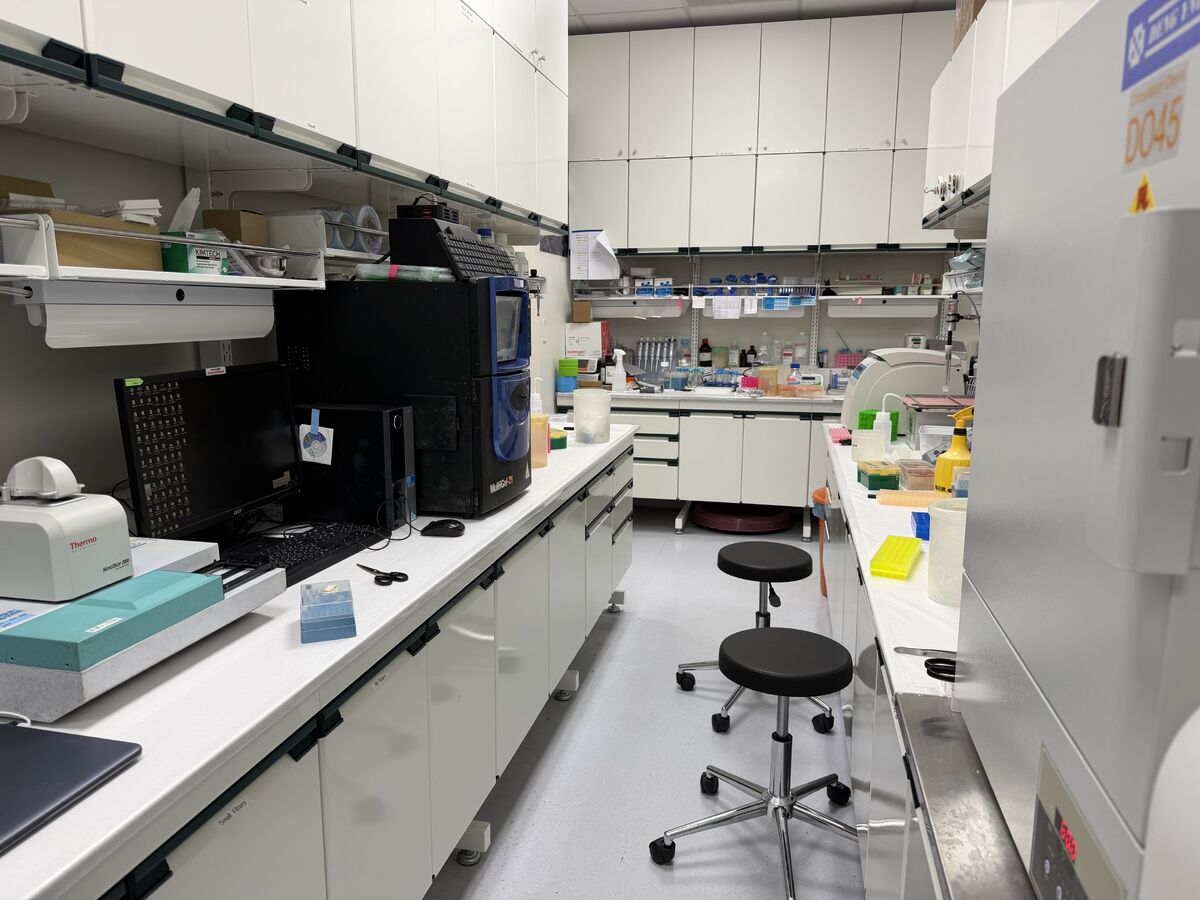
1. Hands-on training in exosome isolation, purification, and nano-characterization.
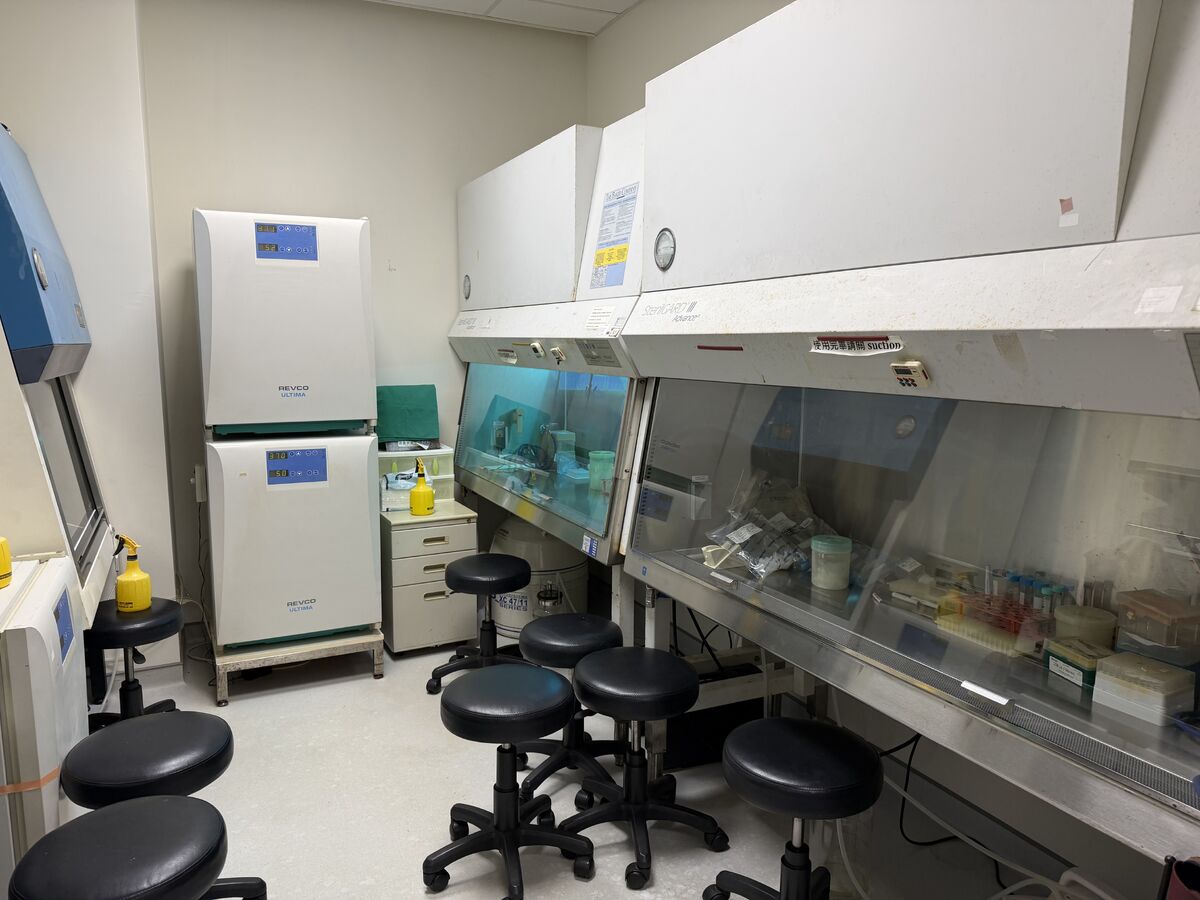
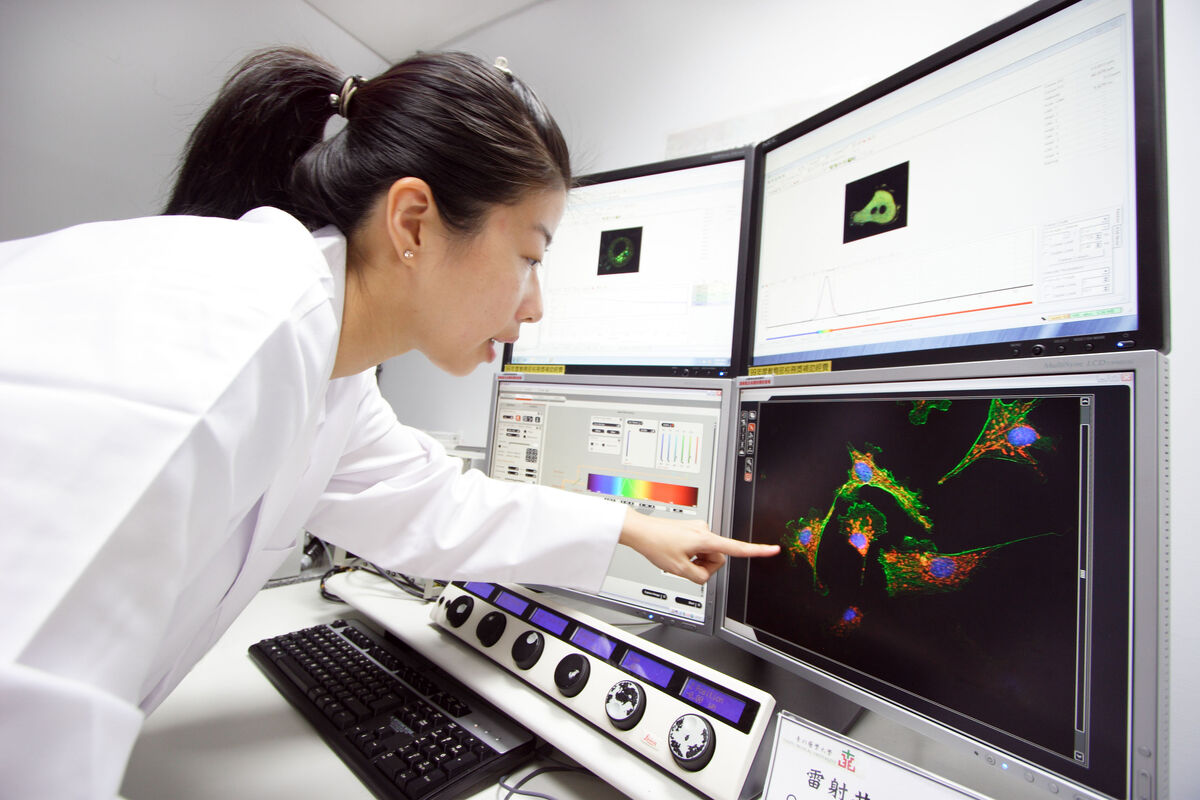
2. Exposure to cell culture, confocal microscopy, and molecular assays.
3. Introduction to drug delivery systems and nano-medicine concepts.
4. Participation in scientific discussions, literature review sessions, and data presentation workshops.
5. Experience in preparing research abstracts and posters for internal or national symposia.
The program is designed for students from life sciences, biotechnology, biomedical engineering, or related fields seeking to enhance their research skills in natural nano-medicine. Prior laboratory experience is preferred but not mandatory.
Expected Outcomes
• Establish a comparative vesicle profile database of plant- and fungi-derived exosomes.
• Identify potential bioactive candidates capable of modulating oral cancer cell growth and apoptosis.
• Develop a proof-of-concept nanocarrier system for natural or synthetic drugs targeting oral cancer cells.
• Provide training and cross-cultural research experience in an interdisciplinary and collaborative environment.
The findings from this internship may form the foundation for future co-authored research publications or joint projects between participating institutions.
![]()
- Field: Medicine & Public Health
- School: Taipei Medical University
- Organizer: department of dental technology
- Period of Apply: 2026/05/01-2026/12/31
- Term: 3-6 month

- Contact Person:Abhinay Kumar Singh/ Yue-Hua Deng
- Email:abhinaymrdls@gmail.com,d204111003@tmu.edu.tw
- Phone:02-27361661#7172