









This TEEP program focuses on using computers, electronics, and optical devices to study the characteristics and properties of horticultural products. The main tasks include:
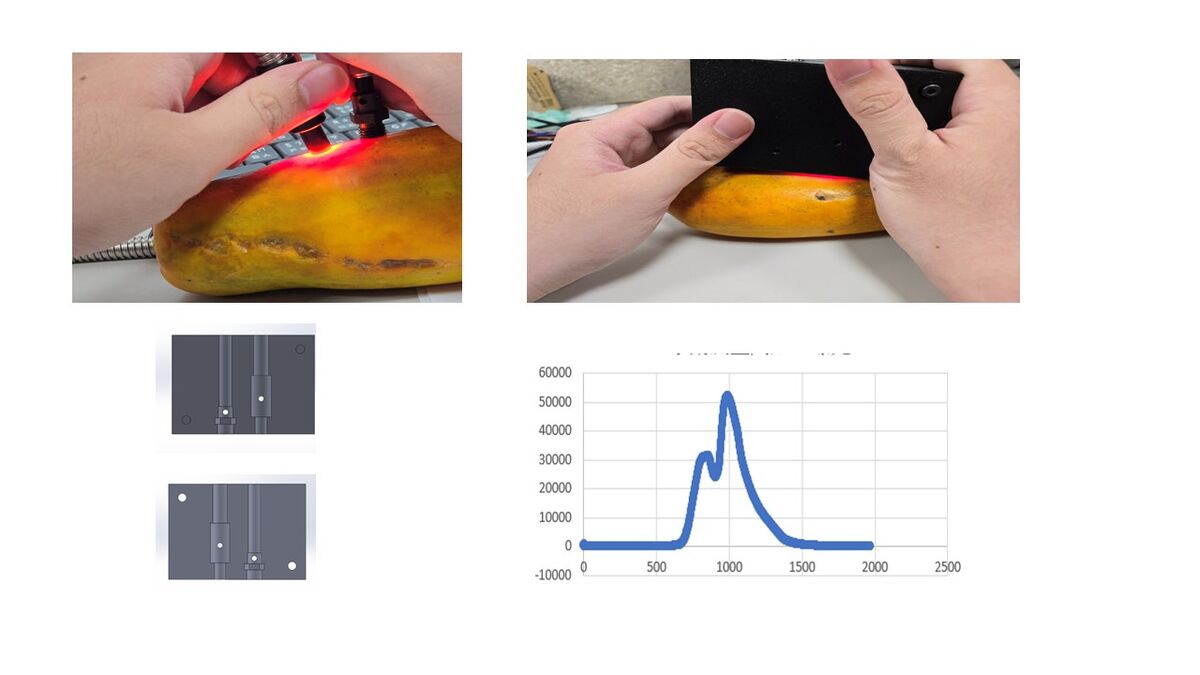
Task 1: Develop methods and devices to evaluate the internal properties of fruits.
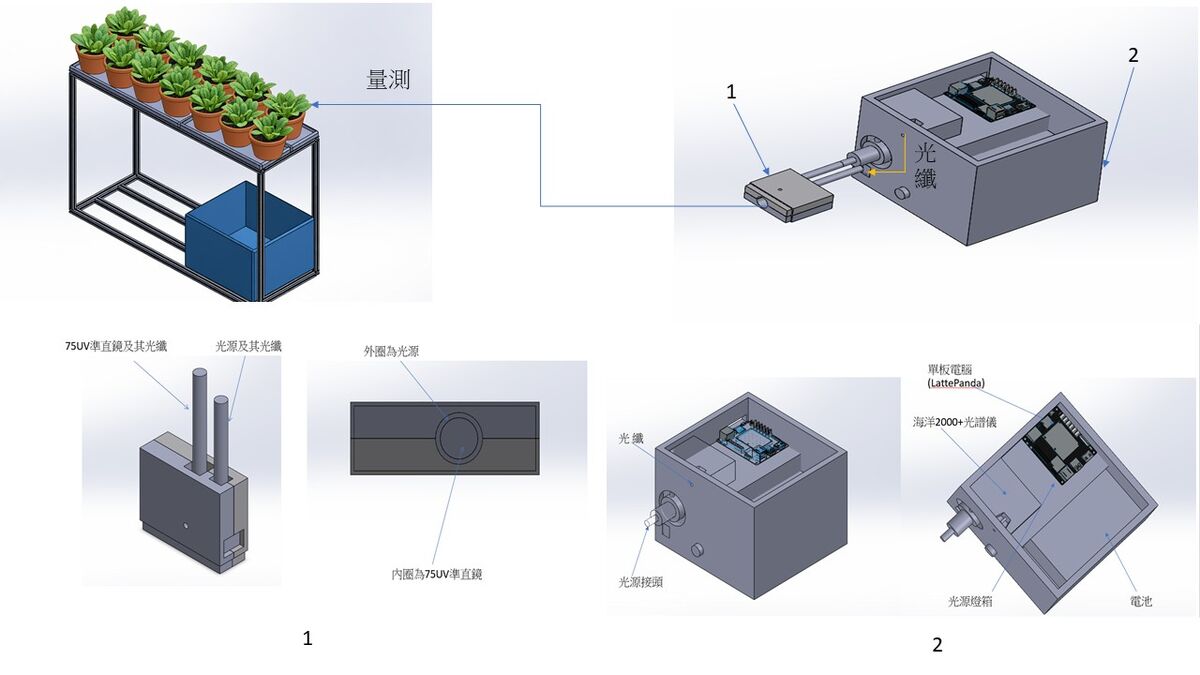
This year's focus is on mangoes and avocados. The project will use techniques like PLSR based on vis-NIR spectral analysis, and portable spectral measurement devices will be developed and used. Candidates with skills and knowledge in mechatronics, LabVIEW programming, and single-board computers who can work independently are preferred.
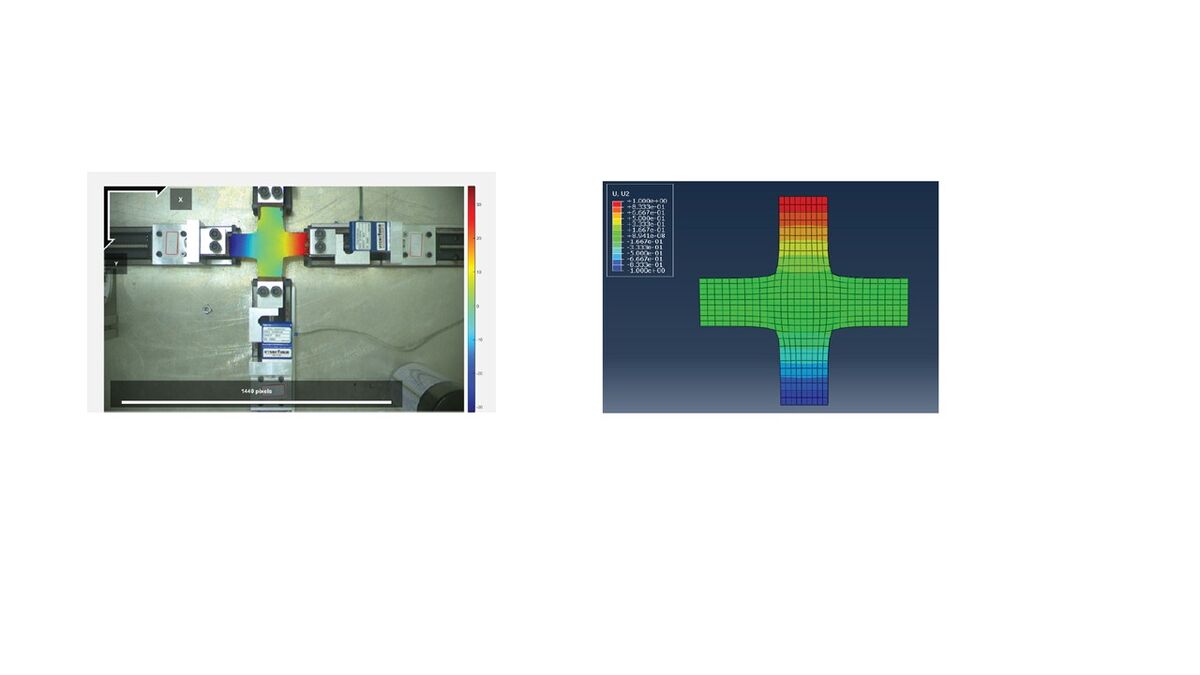
Task 2: Mechanical test of horticulture products.
Mechanical properties of fruits or fruit samples under compression or indentation will be measured using a Texture Profile Analyzer. Additionally, a test platform capable of performing biaxial tensile tests and measuring biaxial tensile force, full-field displacement, and strain will be integrated. It will include linear stages, Mitsubishi servo motors, load cells, two NI DAQ devices, and industry-standard CMOS cameras. Load cells will measure tensile forces, while digital image correlation (DIC) will assess full-field strain. The test results will be analyzed using finite element software Abaqus (student version) to determine the material's mechanical properties (constitutive model) and address the hybrid inverse problem. Candidates with skills and knowledge in mechatronics, LabVIEW programming, PLC ladder diagrams, Abaqus, and constitutive models, who can work independently, are preferred.
Task 3: Development and application of smart farm system.
Maintain and enhance ThingsBoard on Ubuntu, an open-source IoT platform on Linux used for data collection, analysis, visualization, and device control (including IP cameras, ESP32, Arduino, soil sensors, and irrigation systems) for a smart farm with three growing zones (two outdoor and one indoor). Candidates should be familiar with Docker and have skills and knowledge in Linux command-line (Ubuntu), SQL (PostgreSQL), and IoT protocols like MQTT. Preference is given to those who can work independently.
Use the smart farm growing zones as the basis for the phenotyping study of Taiwan’s short-season crops, depending on the season. Focus on environmental stresses such as drought or flooding, or the effects of micronutrients. Candidates from horticulture-related departments who can design the phenotyping study, manage the test crops, and perform trait measurements throughout the entire experimental period are preferred.
Task 4: Simulation of light propagation in fruits using the Monte Carlo method
Monte Carlo multi-layered (MCML) simulations will be used to explore light propagation in the fruits tested in task #1 (mango and avocado) in interactive mode. The goal of this MC simulation is to support the design of the portable spectral measurement devices developed in Task #1. Candidates with knowledge of tissue optics, modern physics/optics, biophotonics, probability and statistics, and differential equations, along with skills in mathematical and statistical modeling such as stochastic and inverse modeling (used to extract optical properties from real fruit measurements in Task #1), are preferred.
Note:
Coding rule starting from 2026: Graphic-based programming and PLC ladder logics will be programmed in the native programming environment (e.g., LabVIEW, GX Work); all text-based languages (e.g., Python, MATLAB, C/C++) should be coded in VS Code (locally) using coding agents (e.g., Codex, Claude Code approved by MOE, Taiwan) driven by natural languages (Chinese or English).
Starting time of this TEEP Project:
After July 1, 2026
Period: 3~6 months
Candidates who are able to work on one or more of the listed tasks (Tasks 1, 2, 3a, 3b, 4) and are interested in applying for this TEEP project are encouraged to do so. To apply, please send your CV from your academic email address to me (nliou@stust.edu.tw) directly. In the CV, candidates “must” specify which task(s) they want to undertake and how they plan to approach them. A CV without a Task(s) approach description will not be considered further. Selected candidates will be asked to submit a transcript and recommendation letters from their university faculty, sent directly from their academic email address, for further review of their TEEP application.
![]()
- Field: Agriculture & Fishery
- School: Southern Taiwan University of Science and Technology
- Organizer: Department of Mechanical Engineering
- Period of Apply: 2026/07/01 - 2026/12/31
- Term: 3~6 months started from 2026/07/01
- Fee: No




- Contact Person:Nai-Shang Liou
- Email:nliou@stust.edu.tw
- Phone:06-2533131 ext 3569