









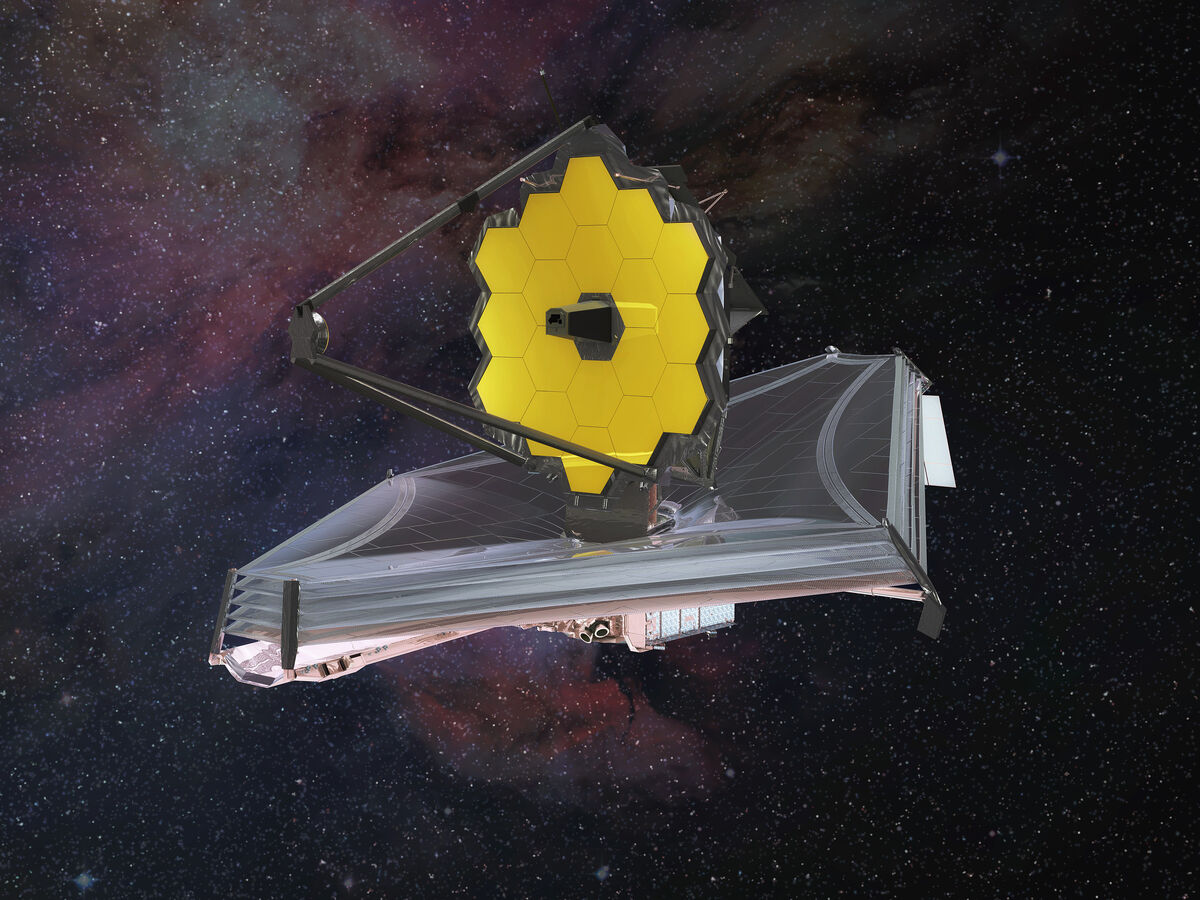
A persistent question in extragalactic astronomy is the number of dusty galaxies and accreting black holes that remain undetected by even the most advanced observational surveys. A significant population of faint, dust-obscured objects lies beyond the detection limits of past space-based infrared telescopes like Spitzer (85 cm) and AKARI (65 cm). The launch of the 6.5-meter James Webb Space Telescope (JWST) represents a monumental advancement in infrared astronomy. With sensitivity more than two orders of magnitude higher than that of Spitzer and AKARI, JWST can now detect faint infrared sources that were previously beyond reach. Dusty galaxies and active galactic nuclei (AGN) show distinct features in the mid-infrared spectrum. AGN are marked by intense mid-infrared emission from warm dust at high temperatures, while dusty star-forming galaxies are dominated by strong polycyclic aromatic hydrocarbon (PAH) bands. The JWST PRIMER/SMILES fields provide a mid-infrared survey area approximately 17 times larger than the Early Release Observations, offering an unparalleled combination of depth and areal coverage. By harnessing JWST’s exceptional mid-infrared sensitivity, we aim to uncover dusty galaxies, accreting black holes, and brown dwarfs that were previously undetectable by any existing facility.
![]()
- Field: Natural Science
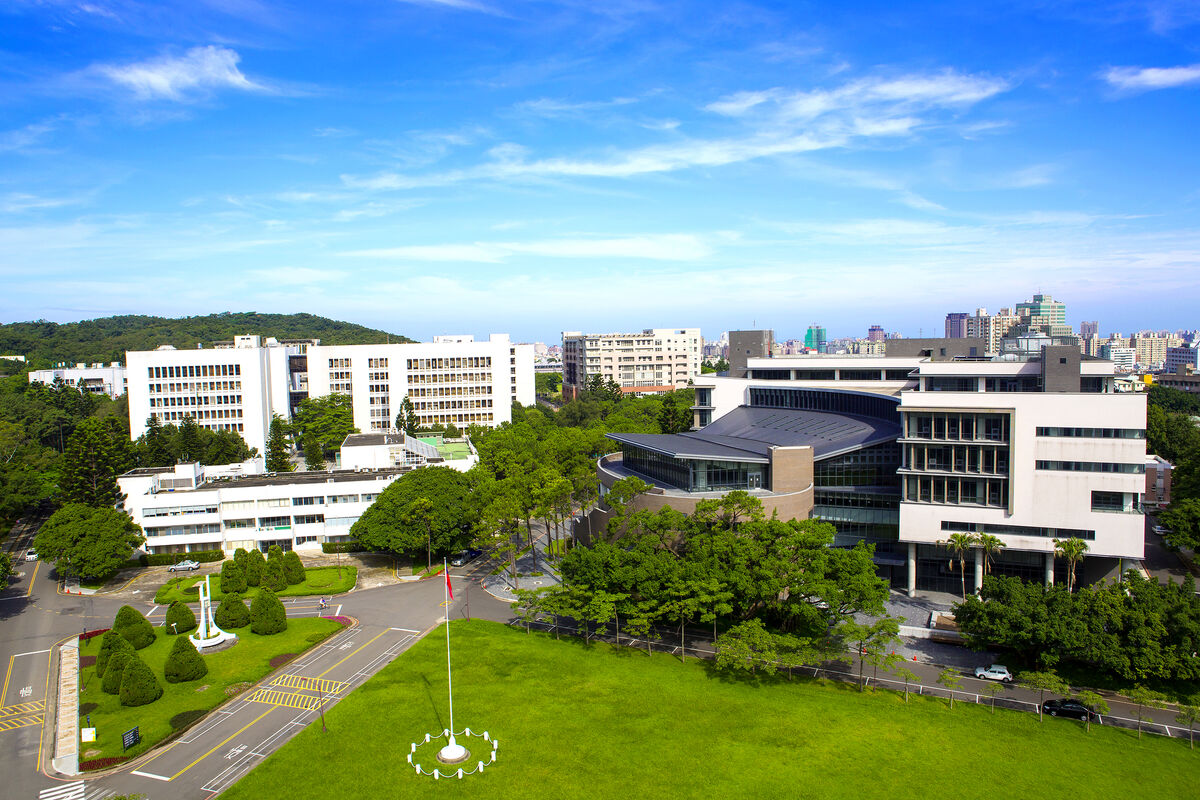
- School: National Tsing Hua University
- Organizer: Institute of Astronomy
- Period of Apply: 2026/04/01-2026/5/31
- Term: 2026/06/01-2026/12/31
- Fee: University dormitory is available for reasonable price.
- Website of Program: sites.google.com/view/nthucosmologygroup/home


- Contact Person:Tomotsugu Goto
- Email:tomo@gapp.nthu.edu.tw
- Phone:035742682