









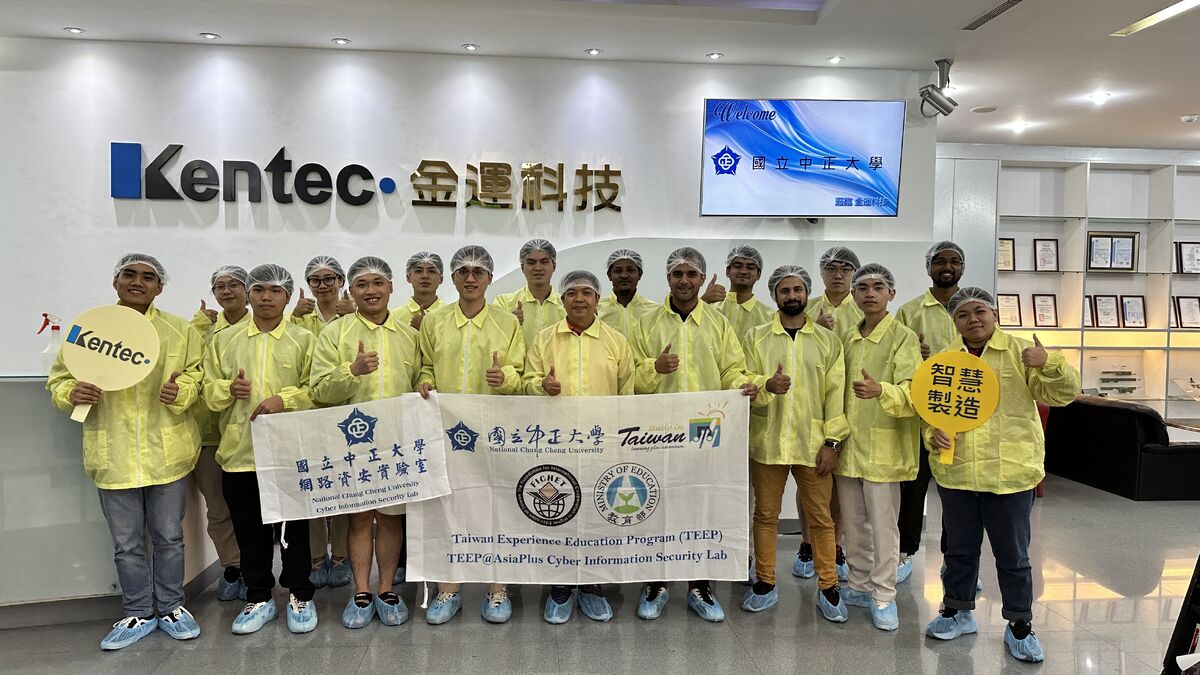
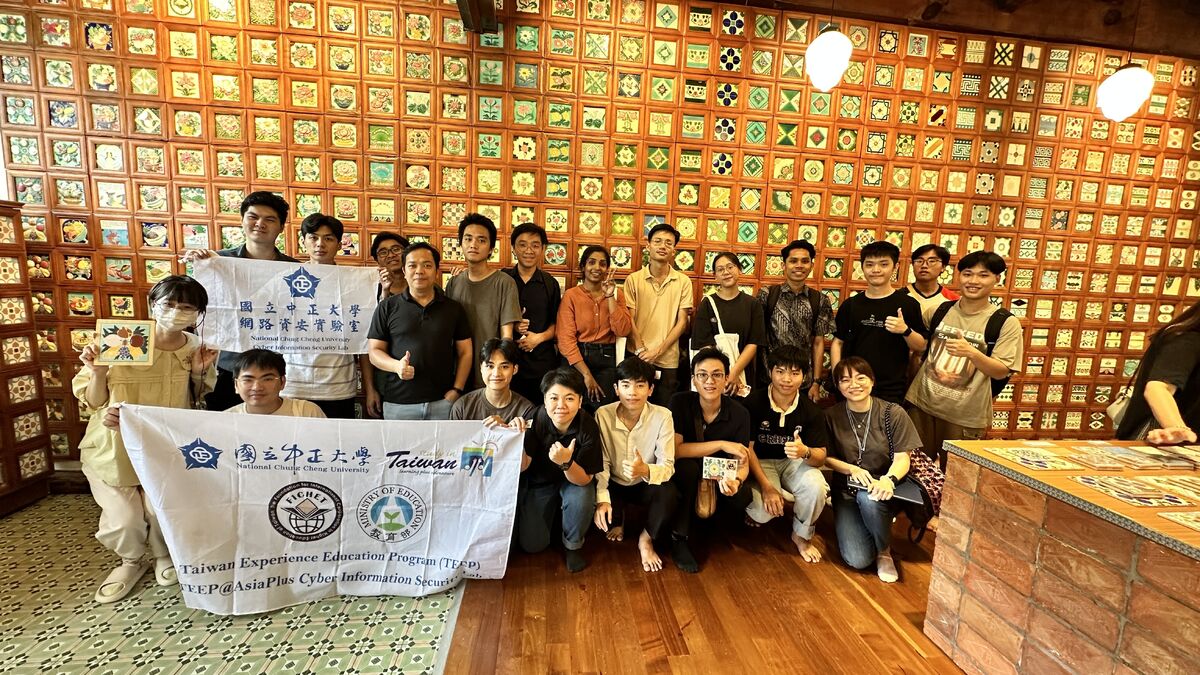
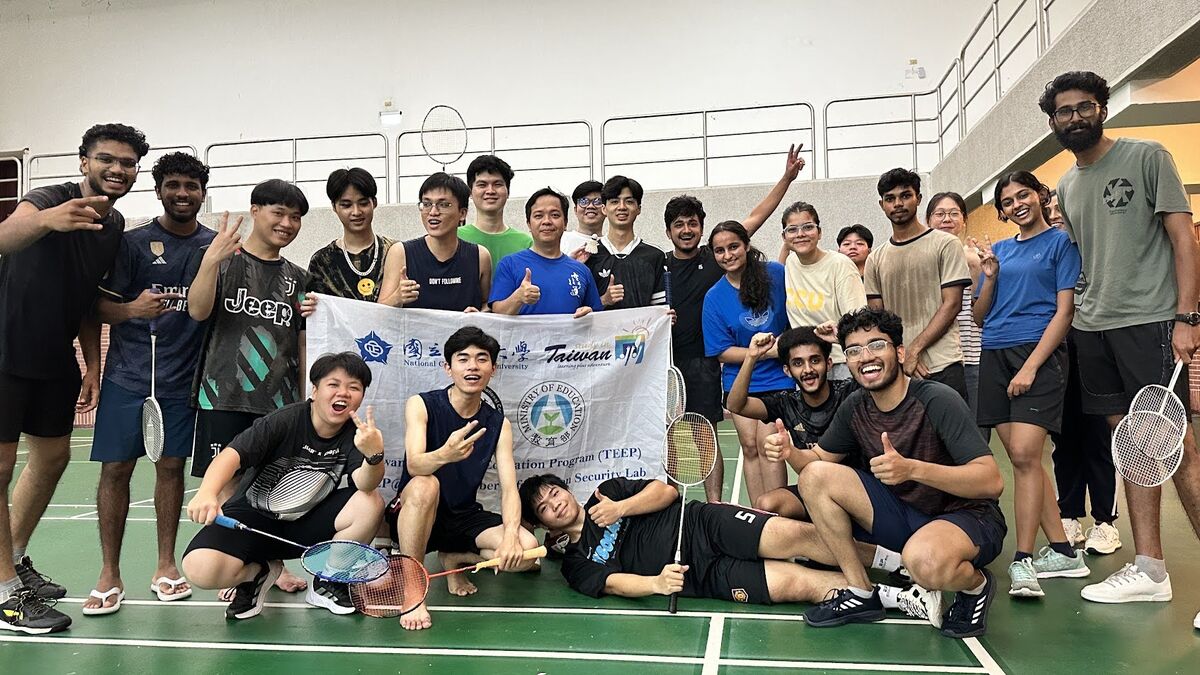
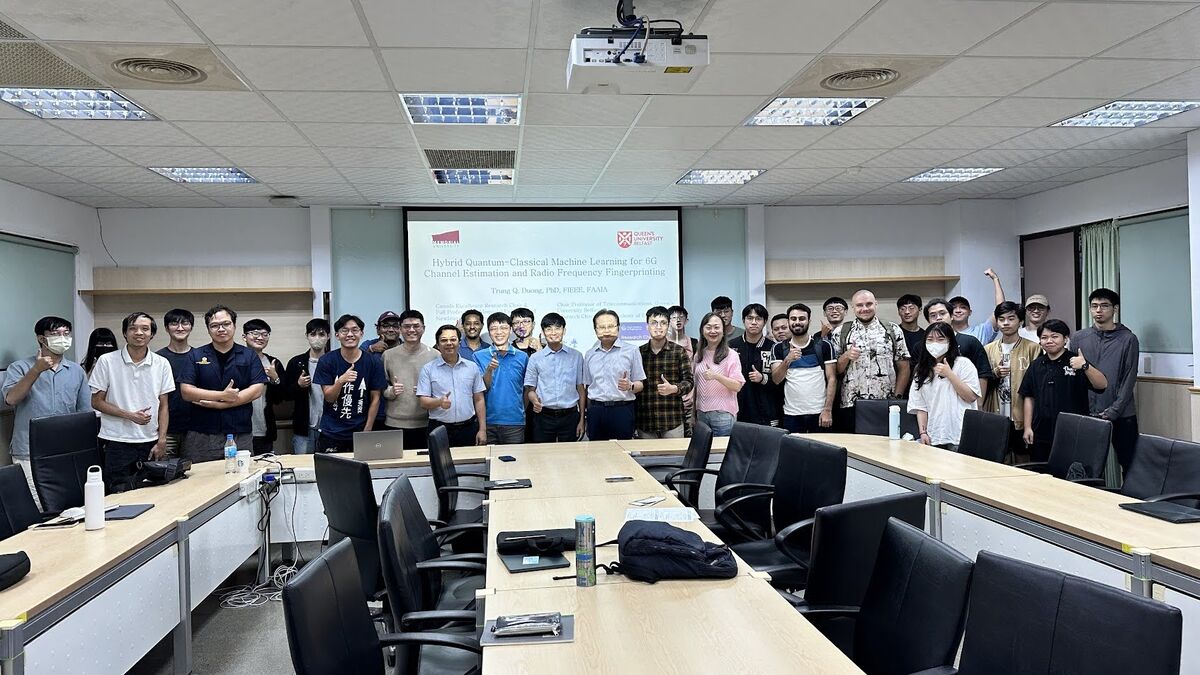
Topic 1: Artificial Intelligence (AI) technologies (Vision Transformer, ChatGPT, LLM), 6G networking, and quantum computing are the leading forces in bringing the world to the era of better intelligence and full automation. However, the rapid development of such technologies raises concerns that they could be used to damage human life, destroy critical infrastructure, and further violate user privacy. For example, AI power can be exploited to scan the vulnerabilities of critical control systems (SCADA, ITS) or track a target user in a restricted access building, even without physical intrusion. Similarly, the attackers can launch adversarial attacks against AI-based Advanced Driver-Assistance Systems (ADAS) and force connected vehicles to act as unexpected weapons to hit civilians. Early detection of security attacks and secure AI models are the top targets of many current research efforts. In short, this project encourages the talents who are interested in the following topics: (1) AI for Cybersecurity: Misbehavior detection in autonomous vehicles, Deep Reinforcement Learning for aerial-assisted networks (UAV-satellite-space) or Intelligent Transportation Systems, Self-supervised Learning, autoDL /ML for Intrusion Detection Systems. (2) Cybersecurity for AI: Trustable AI for automated vehicles and AI-based control systems from adversarial attacks. (3) 6G security: Signal sensing, physical layer authentication, high-accuracy localization and sensing. (4) Space and Quantum security: Blockchain for vehicular/aerial networks; Quantum compatible IDS platforms. (5) Trustable AI for critical applications: Vision Transformer, ChatGPT, LLM for smart grid, smart health, intelligent transportation, smart manufacturing. Topic 2: This research explores the synergy of advanced network technologies, quantum machine learning (QML), and semantic communications to build next-generation intelligent and secure systems. We study 6G and Open RAN architectures, edge–cloud collaboration, and AI-driven resource management to enable ultra-reliable and low-latency connectivity for applications such as autonomous vehicles, UAV-assisted monitoring, and smart microgrids. Leveraging QML, we develop hybrid quantum–classical algorithms that accelerate learning, enhance cybersecurity, and optimize network performance. Meanwhile, semantic communications enable machines to exchange meaning rather than raw data, crucial for digital twins, collaborative robotics, and IoT ecosystems. Students will learn to design intelligent network architectures, implement QML models using platforms like Qiskit and PyTorch, and develop semantic encoders for efficient AI communications. This training equips them with the skills to innovate across quantum-intelligent networking, AI-native communications, and cyber-physical infrastructure security in smart cities and sustainable systems. In short, this project encourages the talents who are interested in the following topics: (1) 6G networks: ISAC, wireless sensing, non-camera monitoring. (2) Quantum machine learning: Quantum AI, quantum networks, quantum computing. (3) Wireless and Semantic Communications: Digital twins, VR/XR Required application materials + Curriculum Vitae in PDF format + Official Transcripts + Letter of Recommendation in PDF format + Certificate of language proficiency + Head-shot Photo in JPG format (at least 300 KB filesize, 826X1062 pixels.) + Other Supplementary Documents (Optional) such as awards, publications, ICPC, contest certificates, .... What you will do during the internship period 1. Read/survey the international papers on selected topics, e.g., Explainable AI, ISAC, Quantum Machine Learning 2. Do programming for mini projects on selected topics: e.g., AI models for preventing adversarial attacks 3. Suggest novel/creative ideas to enhance assigned mini-projects 4. Report the results in a professional manner, for example, in LateX writing, IEEE Trans format 5. Attend several industry tours, Chinese courses, or research culture introductions. Preferred Intern Education Level - Third-year undergraduate students or above - Graduate candidates (had Bachelor/ Master) - Ph.D. students Highly recommend the following candidates to join our group: 1. Strong interest in IT, computer science, computer vision, computer networks, AI and cybersecurity. 2. Background knowledge in networking/security, mathematics, optimization, quantum, and computer vision. 3. Publications in my research field 4. International English proficiency certificate (TOEIC >= 650, IELTS >=5.5, TOEFL iBT >= 80 )
![]()
- Field: Engineering
- School: National Chung Cheng University
- Organizer: Department of Computer Science and Information Engineering
- Period of Apply: 2026/04/15-2026/06/30
- Term: 2026/08/15-2026/12/31
- Fee: No registration fee
- Website of Program: sites.google.com/view/teepcislab









- Contact Person:Van-Linh Nguyen
- Email:nvlinh@cs.ccu.edu.tw